How To Maintain Your
Industrial-Grade Epoxy Floor

You invested in a floor built to last. A little routine care keeps it looking sharp and performing for years.
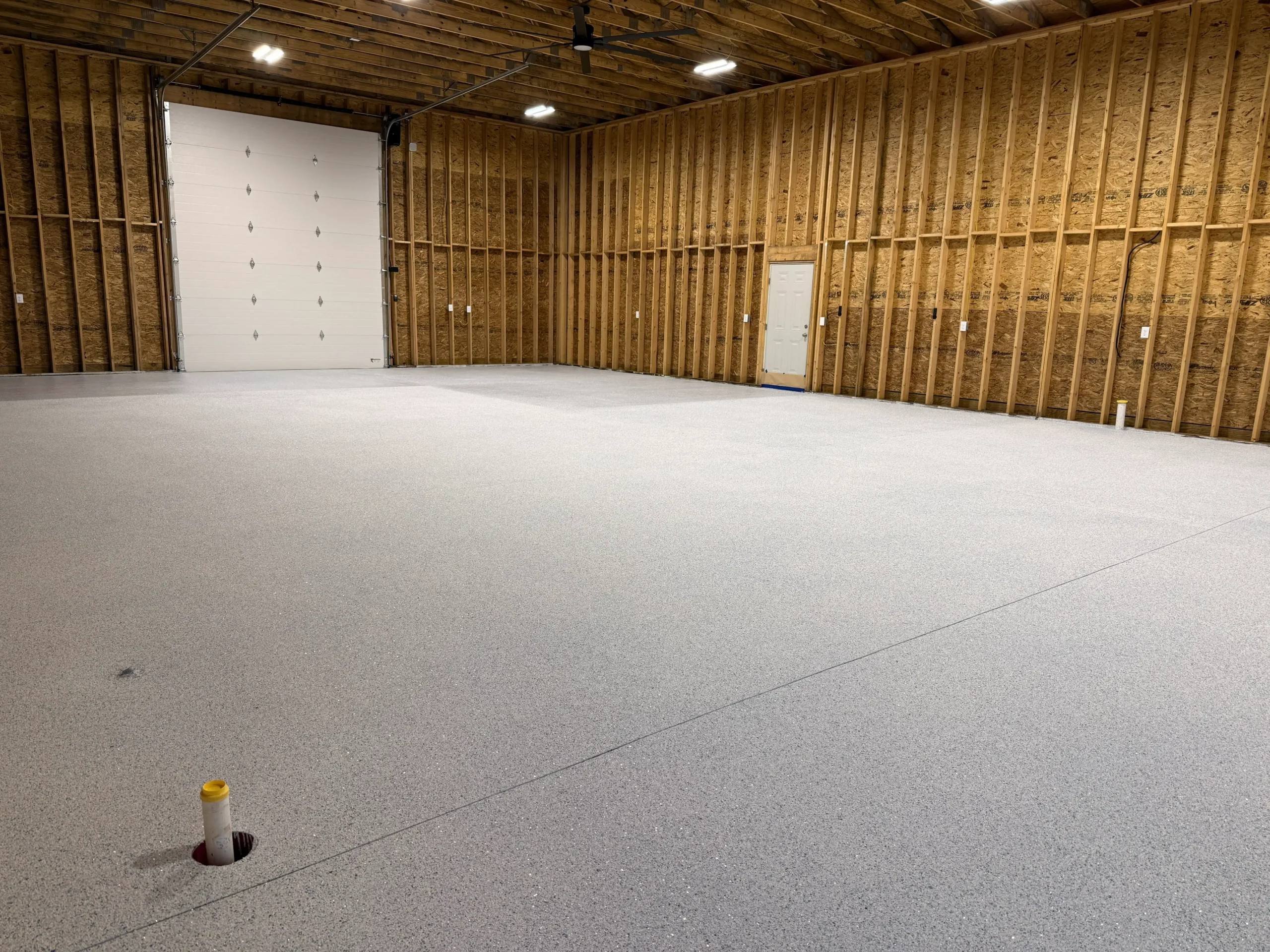
Epoxy-coated garage floor with full flake broadcast and glossy polyurethane finish installed by Integrity Coatings in Roanoke, Virginia.

Why Maintenance Matters

Industrial-grade epoxy systems — the kind we install at Integrity Coatings — are tough. Hot-tire resistant, chemical-resistant and sealed with a polyurethane topcoat.

But "low maintenance" isn't the same as "no maintenance." Grit acts like sandpaper underfoot. Spills left to sit can work under a damaged edge. A few minutes of routine care protects years of durability.
Schedule an Assessment

Daily and Weekly Cleaning

Sweep Or Dust-Mop Regularly

Sand, grit and dirt are your floor's biggest enemies. A weekly dust-mop or soft-bristle broom pass removes abrasive particles before they can scratch the topcoat. In high-traffic areas like workshops or commercial bays, you should sweep daily.

Mop With A pH-Neutral Cleaner

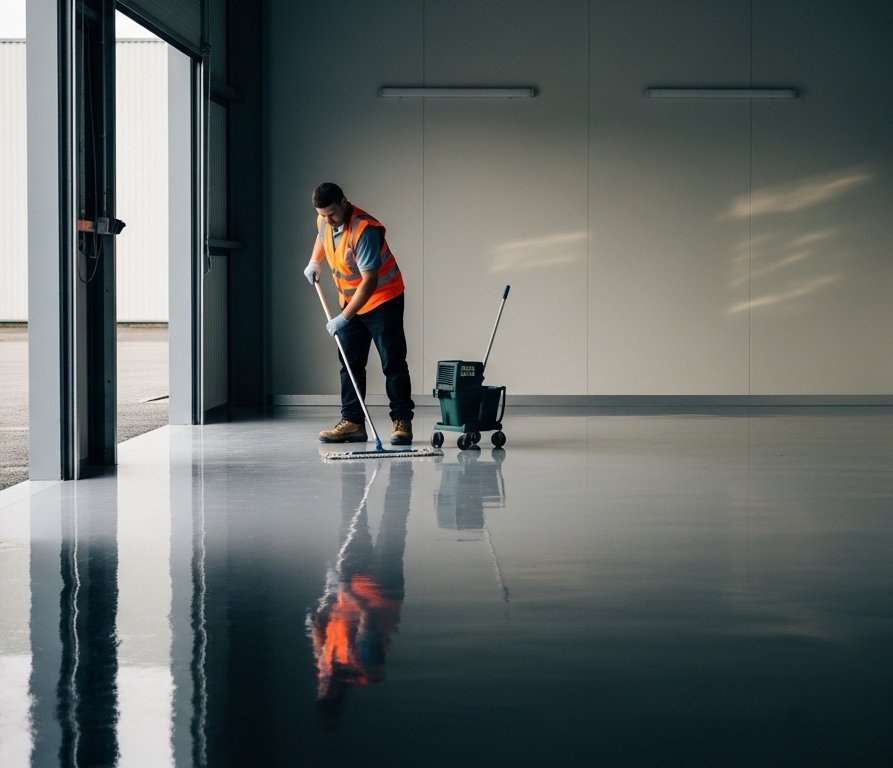
For wet cleaning, use a diluted pH-neutral floor cleaner and a microfiber mop. Avoid acidic or ammonia-based cleaners as they degrade the polyurethane topcoat over time. A standard diluted dish soap works fine for light cleaning.

Pro Tip

Don't let water pool. A damp mop is all you need. Simply rinse with clean water and let it air dry. Standing water near floor drains or edges can seep under if the perimeter seal has any wear.

Wipe Spills Promptly

Epoxy handles most chemicals well, but prolonged contact with harsh solvents, battery acid or strong degreasers can soften the surface. Blot spills with an absorbent cloth rather than spreading them, then rinse the area with water.

What To Avoid

Harsh cleaners: Bleach, citrus-based degreasers and ammonia-heavy products wear down the topcoat faster than normal use.
Steel wool or abrasive scrub pads: Use a soft-bristle brush or nylon scrubber instead.
Dragging heavy equipment: Rolling heavy machinery over an epoxy floor is fine, but dragging metal legs or pallets creates point-load scratches. Use felt pads or furniture sliders.
Road salt buildup: Virginia winters mean chloride from driveways can track indoors, and salt is corrosive over time. Rinse salt residue before it dries.

Seasonal and Annual Care

Spring Deep Clean

After winter, do a thorough rinse and mop to clear salt, sand and de-icer residue. Inspect the floor under good light for any chips, cracks or areas where the topcoat looks dull or hazy.

Inspect The Perimeter Seal Annually

Where the floor meets the wall, the cove base or edge seal takes the most wear. Check this line once a year. A hairline gap isn't urgent, but an open edge lets moisture migrate under the coating, especially in basements and garages.

Consider A Topcoat Refresh Every 5–7 Years

Even a well-maintained floor sees its polyurethane topcoat thin out over the years. A topcoat reapplication, without full removal of the existing system, restores gloss, re-seals the surface and adds years of life at a fraction of a full reinstall cost.

For Commercial And Industrial Spaces

High-traffic commercial floors such as warehouses, automotive shops and gyms, benefit from a professional inspection every 2–3 years. Catching minor surface wear early prevents substrate damage that requires more extensive repairs.
Schedule an Assessment

Spot Repairs: What You Can Fix And When To Call Us

Small Chips And Edge Lifts

A chip smaller than a quarter at a non-traffic edge can often be touched up with a matching epoxy patch kit. Clean the area, roughen slightly with fine sandpaper and apply. For chips in the middle of a high-traffic zone, or anywhere you see delamination (the coating lifting away from the concrete), call a professional. DIY patches in those spots often fail and make the underlying repair larger.

Cloudy Or Hazy Patches

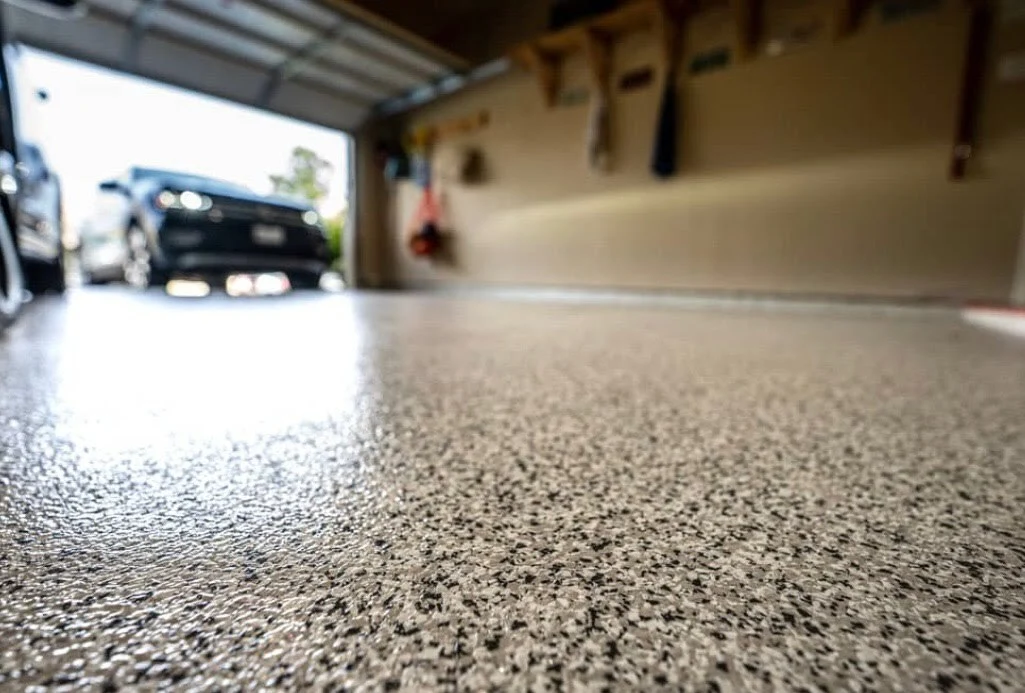
Haze is usually moisture vapor trapped under the topcoat or chemical damage to the surface layer. It doesn't always mean the floor needs replacing — often a topcoat reapplication resolves it — but the cause needs to be identified first.

Cracks That Weren't There Before

New cracks in a coated floor usually mean the concrete beneath has moved. This is a structural question, not just a cosmetic one. Contact us so we can assess whether it's a minor settlement crack or something that needs more attention before recoating.

Not sure if your floor needs attention?

Get an assessment from Sam. No pressure, no guesswork.
Get My Quote